Vrede en Lust: Three Centuries of History and Two Remarkable South African Wine Regions
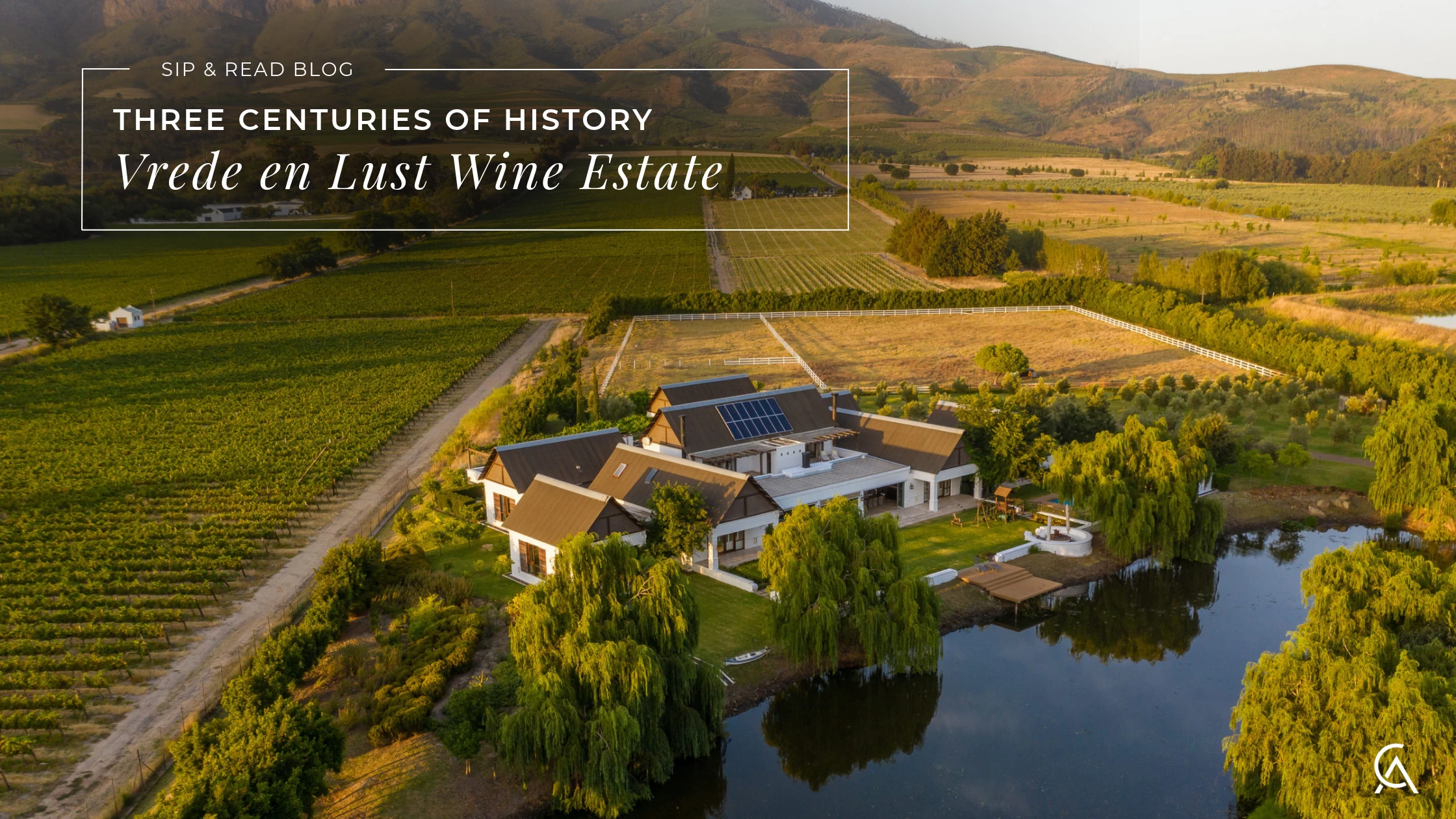
On a rainy day in 1996, South African businessman Dana Buys drove through the Cape Winelands looking for a small farm where his family could keep a few horses. He had recently sold his software business and imagined a quieter life in the countryside, somewhere with beautiful views and enough space to enjoy them. Instead, he encountered Vrede en Lust, a historic wine estate beneath the Simonsberg mountain, and found himself considering a rather different future.
“The place just talked to me,” Buys later recalled in a published account of the family's first 25 years at the estate.
It is a wonderfully understated beginning to one of South African wine's more interesting modern success stories. Founded in 1688, Vrede en Lust had already witnessed more than three centuries of Cape history by the time the Buys family arrived. What followed was a substantial revival of the property, an expansion into the cooler vineyards of Elgin, and the development of a wine portfolio that now offers two distinctly different expressions of the Cape Winelands.
Today, Vrede en Lust produces everything from structured Bordeaux-style reds to elegant Riesling, Chenin Blanc, and Sémillon, with wines earning recognition from respected critics and leading South African competitions. Its appeal lies as much in the people and places behind the bottles as in the wines themselves, making it an estate we are particularly pleased to share with Cape Ardor's American wine lovers.
The Origins of Vrede en Lust: A Cape Story Beginning in 1688
The history of Vrede en Lust begins with Jacques de Savoye, a Flemish merchant who arrived at the Cape in April 1688 aboard the Oosterland. Accompanied by his wife, Marie-Madeleine le Clercq, De Savoye was among the Huguenot refugees who had left Europe amid religious persecution, seeking the possibility of a more secure life in the southern hemisphere.
The Cape was still a relatively young colonial settlement, and the Drakenstein Valley offered land that was fertile but demanding to cultivate. De Savoye established his farm beneath the mountain now known as Simonsberg and gave it the name Vrede en Lust, loosely translated from Dutch as Peace and Delight.
The name expressed the hopes of its founder, although developing the property would have required considerable labor. By 1692, the farm supported wheat, barley, livestock, and approximately 10,000 vines, placing it among the agricultural enterprises contributing to the early development of the Cape wine industry.
As with many historic Cape estates, its history also includes the realities of colonial agriculture and enslaved labor, an important part of understanding how these early farms were established and maintained.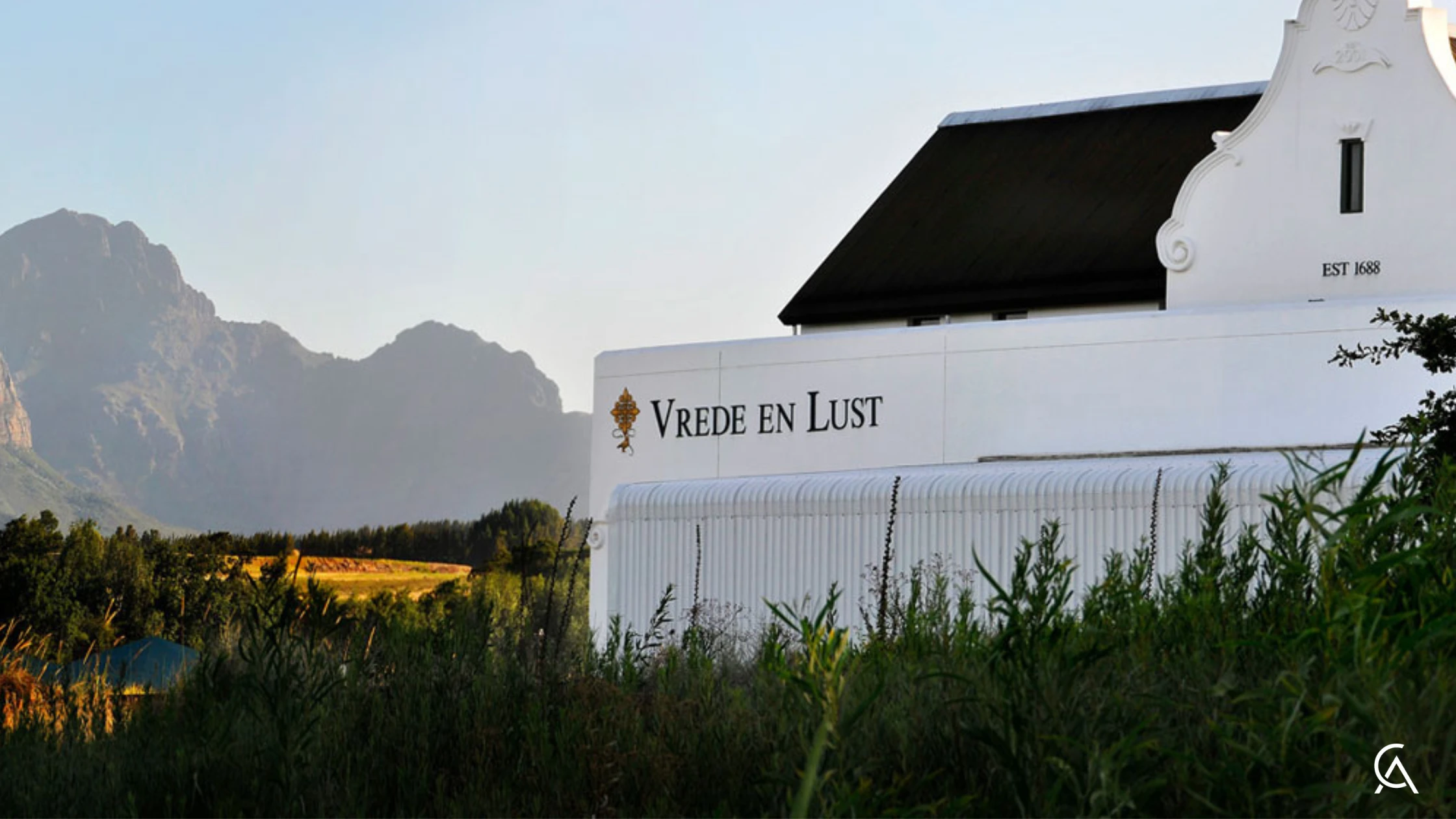
Over the centuries, Vrede en Lust passed through numerous owners, with each generation adapting the property to changing agricultural conditions and markets. The manor house, dating from the late eighteenth century, remains a reminder of that long history, while the vineyards themselves have undergone repeated periods of planting, renewal, and expansion.
The estate's modern identity, however, would take shape only after the arrival of the Buys family in 1996.
The Buys Family and an Unexpected New Beginning
When Dana Buys first encountered Vrede en Lust in 1996, purchasing a historic wine estate had not been part of his plans. Having recently sold his software business, he was searching for a small country property where his family could keep horses and enjoy the countryside. Instead, on a rainy afternoon beneath the Simonsberg, he discovered a farm with more than three centuries of history.
“The place just talked to me,” he later recalled in a BizNews feature marking the family's 25 years at the estate.
Dana acquired the property that year, becoming its seventeenth owner, and was joined by his brother Etienne in 1998. Together, they began restoring the historic buildings, improving the vineyards, and investing in modern winemaking facilities. The acquisition of neighboring Wolve Kloof reunited sections of the original farm, while a new cellar, completed for the 2002 harvest, laid the foundation for a more ambitious wine portfolio.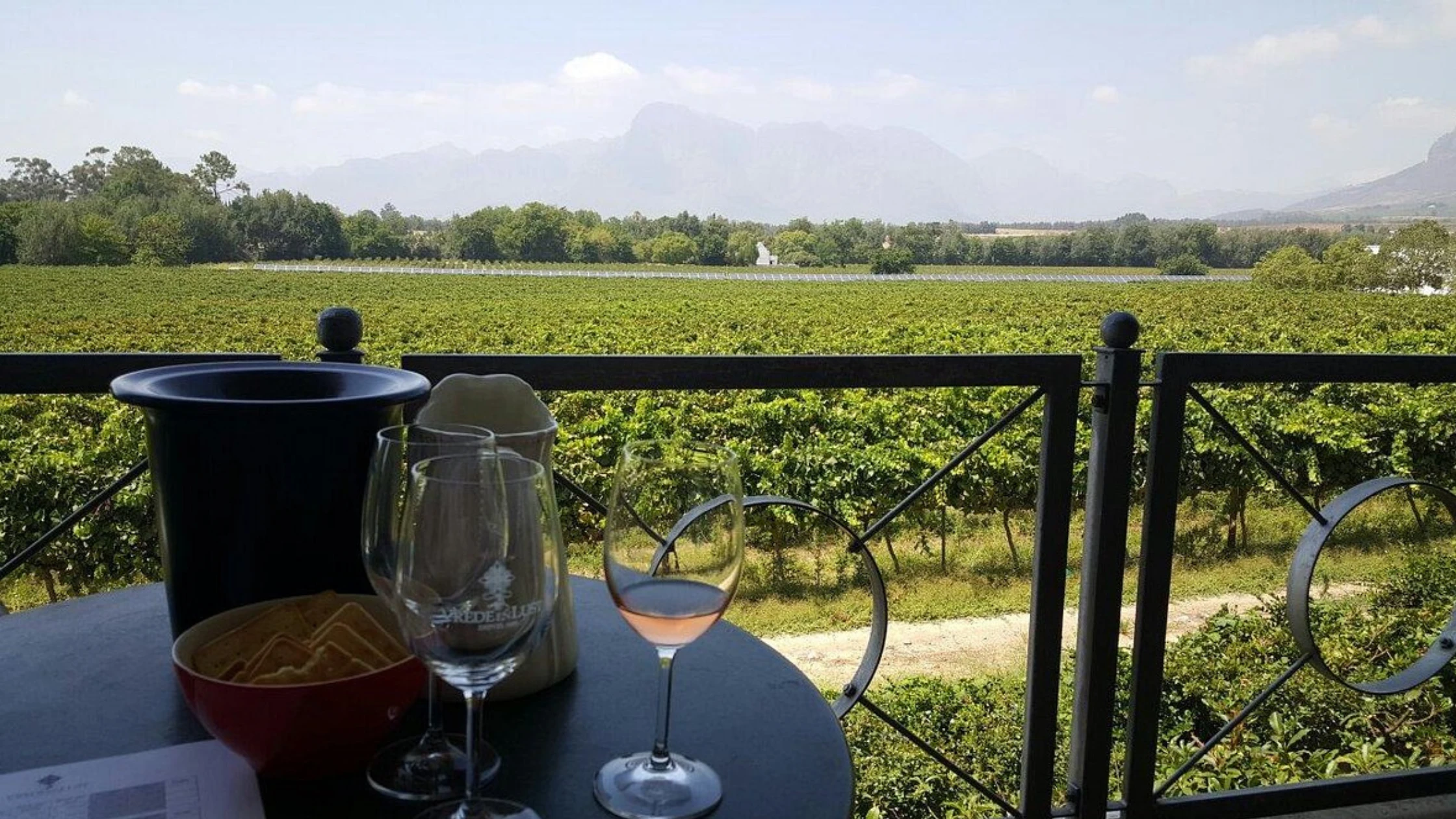
The family's influence extends to the labels themselves. Boet Erasmus, the estate's flagship Bordeaux-style red blend, honors the brothers' maternal grandfather, whose appreciation of fine wine helped inspire their own. It is one of several personal connections that give Vrede en Lust a character extending well beyond its vineyards.
Experiencing Vrede en Lust: Wine, Food, and Cape Hospitality
Arriving at Vrede en Lust today, visitors encounter an estate that has grown into a destination in its own right. The historic Cape Dutch architecture, established gardens, and sweeping views of the Simonsberg provide a beautiful setting, while the winery's restaurants, accommodation, and tasting experiences invite guests to spend considerably longer than an afternoon exploring the property.
Wine remains at the center of the experience. The tasting room offers selections from both the premium and flagship ranges, guided by the estate's knowledgeable tasting ambassadors, affectionately known as the Red Ladies. Visitors can explore the differences between the Simonsberg-Paarl and Elgin vineyards through carefully chosen wines, with cheese and chocolate pairings offering another perspective on their character. For those interested in the winemaking itself, guided cellar tours provide a closer look at the people, processes, and decisions behind each vintage.
Food is equally important to the estate's hospitality. Lust Bistro & Bakery, with its traditional wood-fired hearth, has become a popular destination for freshly baked artisanal bread, relaxed breakfasts, and leisurely lunches. Savoye, situated among the gardens near the historic manor house, offers a more intimate dining setting, with Mediterranean-inspired cooking and seasonal ingredients chosen to complement the estate's wines.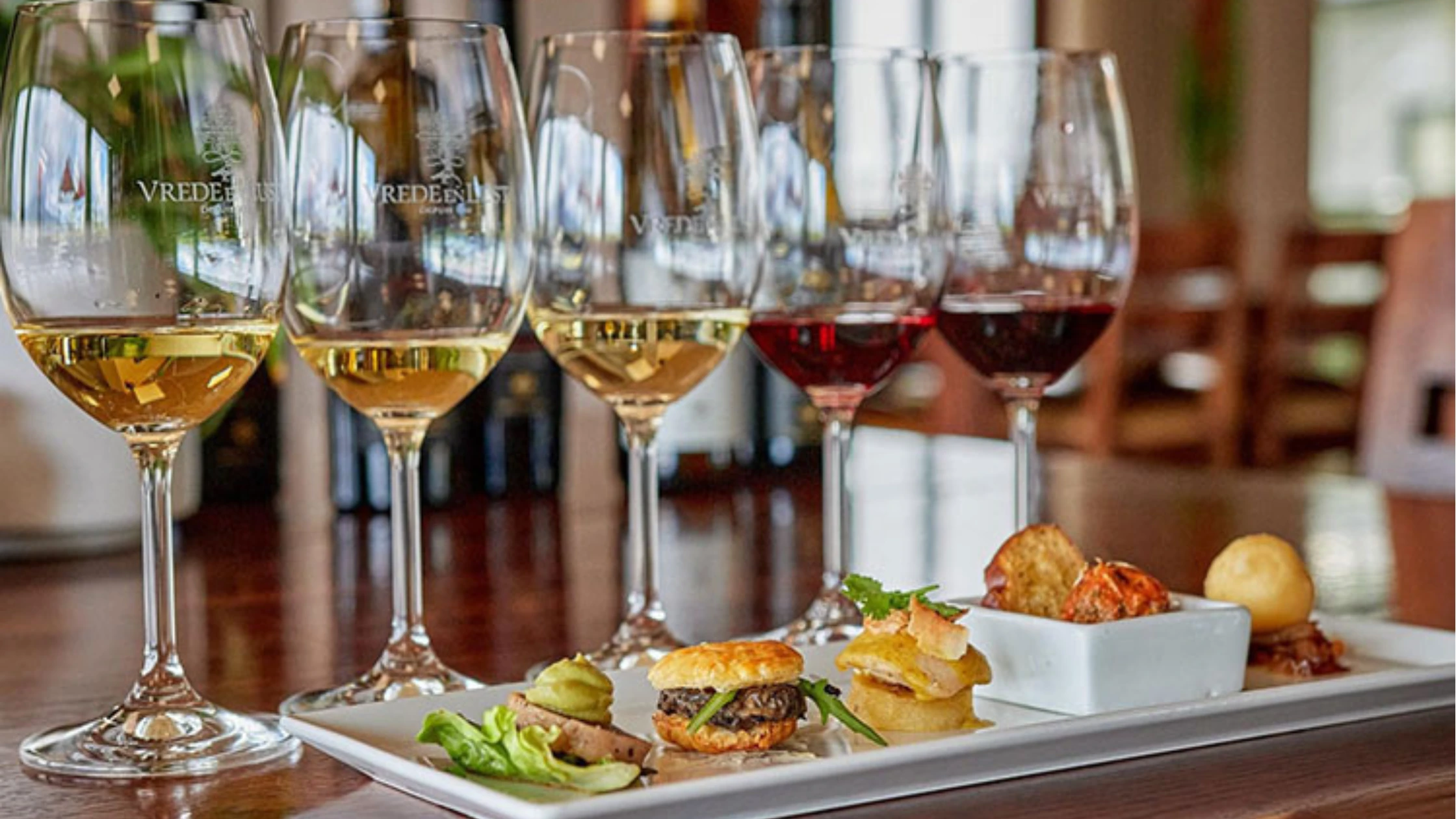
Explore Vrede en Lust’s 300-year history, family heritage, award-winning wines, and the unique terroirs of Simonsberg-Paarl and Elgin, South Africa.Visitors wishing to stay overnight can choose from vineyard rooms, cottages, and accommodation within the historic manor house, combining the atmosphere of a working wine farm with contemporary comforts. Vrede en Lust has also established itself as a sought-after Cape Winelands wedding and events destination, where the mountain scenery and historic surroundings provide a memorable setting for celebrations.
For wine lovers visiting South Africa, the estate offers an opportunity to experience the place behind the bottles, from the vineyards and cellar to the food and hospitality that have become part of its modern identity. The wines may be enjoyed thousands of miles away, but spending time at Vrede en Lust brings the family's story and the character of the Simonsberg into much sharper focus.
One Estate, Two Very Different Wine Regions
The original Vrede en Lust vineyards lie on the warmer eastern slopes of the Simonsberg, between Paarl and Franschhoek. The mountain's varied soils, elevations, and exposures provide favorable growing conditions for red varieties, particularly Cabernet Sauvignon, Merlot, Malbec, and Syrah.
Here, the combination of generous sunshine and carefully managed vineyards produces wines with ripe fruit, depth, and the structure required for maturation. These characteristics have long made Simonsberg-Paarl an important source of premium South African red wine.
In 2005, the Buys family made a decision that would significantly broaden the estate's possibilities, acquiring Casey's Ridge in the Elgin Valley.
Elgin is a very different landscape, situated farther south and influenced by cooler maritime weather systems. Its vineyards experience lower temperatures, regular morning mist, and a longer ripening season, conditions that allow grapes to develop gradually while retaining the acidity essential to freshness and balance.
The differences are particularly favorable for Riesling, Sauvignon Blanc, Chardonnay, and Chenin Blanc, although Elgin has also demonstrated an impressive ability to produce refined Syrah and other red varieties.
For Vrede en Lust, the acquisition created an opportunity to explore two contrasting expressions of South African wine under the same family ownership. The Simonsberg vineyards continued to provide the foundation for structured reds, while Casey's Ridge opened the door to whites with greater aromatic precision, acidity, and textural complexity.
The estate's recent achievements suggest that this decision has become one of the defining strengths of its modern identity. Wines from both regions have received recognition for their distinctive qualities, giving collectors an opportunity to appreciate how dramatically growing conditions can influence the character of a bottle.
Karlin Nel: A Winemaker Shaped by the Cape and Europe
Behind the current portfolio is winemaker Karlin Nel, whose experience extends from Stellenbosch to Piedmont and Burgundy, two European regions where vineyard identity and the relationship between grape variety and place are central to winemaking.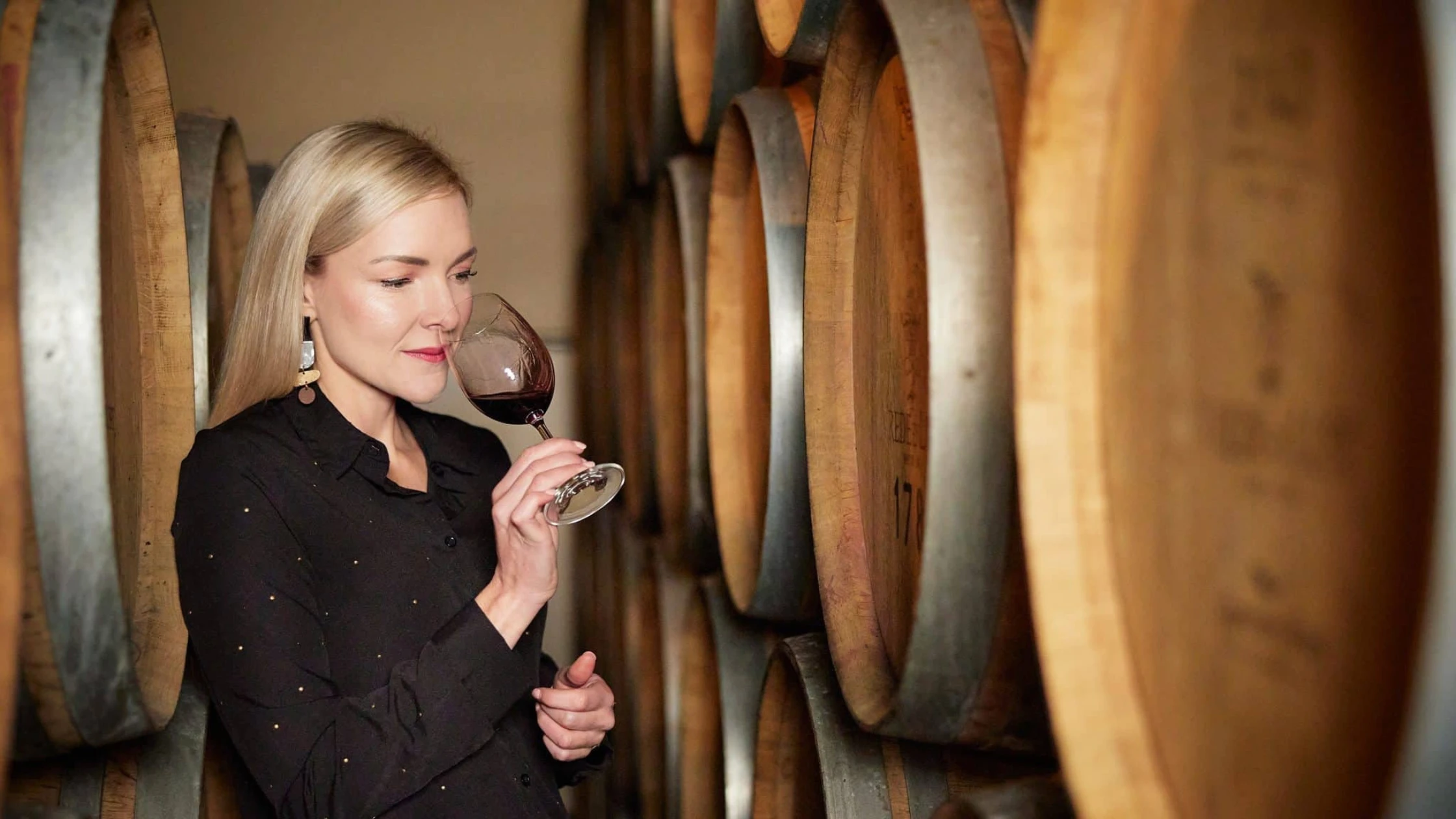
The Wines That Tell the Vrede en Lust Story
The most rewarding way to understand the estate's two vineyard regions is through the wines themselves, particularly those that reveal how differently the same winemaking team can approach fruit grown under contrasting conditions.
Several bottles currently available through Cape Ardor provide an excellent introduction.
Boet Erasmus: The Family's Flagship Red
The Vrede en Lust Boet Erasmus Red Blend 2020 remains one of the estate's defining wines, drawing its character from the warmer Simonsberg-Paarl vineyards.
A Bordeaux-style blend of Cabernet Sauvignon, Merlot, Petit Verdot, and Malbec, it combines ripe dark fruit with fine tannins, measured oak influence, and the structure needed for further maturation.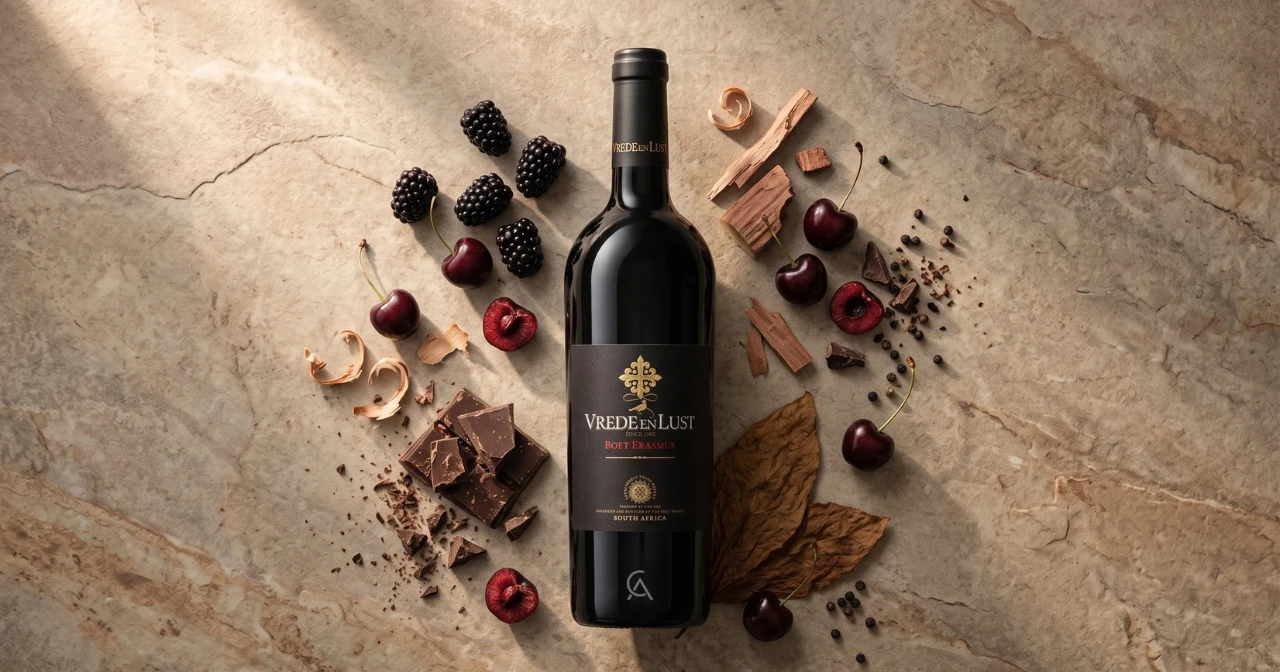
The wine has developed a reputation as one of the estate's most serious reds, while its name preserves a deeply personal connection to the Buys family's history.
For collectors interested in exploring the Cape's interpretation of classic Bordeaux varieties, Boet Erasmus offers an appealing combination of concentration, balance, and regional character.
Barrique: Elgin's Award-Winning White Blend
If Boet Erasmus represents the warmth and structure of Simonsberg-Paarl, the Vrede en Lust Barrique Sémillon 2022 provides an equally compelling expression of the estate's cooler Elgin vineyards.
Made from 90% Sémillon and 10% Sauvignon Blanc, the wine draws inspiration from the traditional white blends of Bordeaux. Sémillon adds richness and texture, while Sauvignon Blanc brings freshness and aromatic definition, creating a wine with considerable depth without sacrificing balance.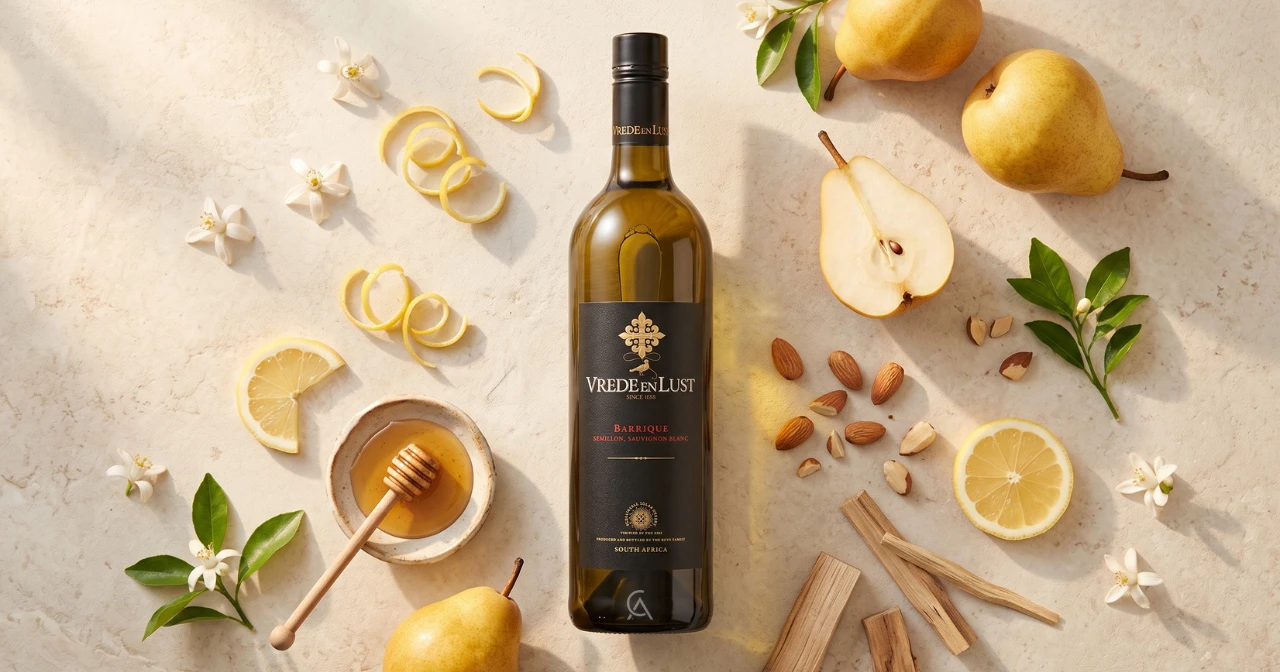
Its quality has attracted significant recognition. Tim Atkin MW awarded the 2022 vintage 93 points, while the 2025 National Wine Challenge named it joint White Wine of the Year.
Speaking after the award, Karlin Nel described the achievement as recognition of “the vibrant interplay between the rich, textural Sémillon and the bright, refreshing Sauvignon Blanc.”
The comment captures something important about Barrique, whose appeal comes from the relationship between two varieties that respond differently to their growing conditions.
For South African wine lovers more familiar with the country's celebrated Chenin Blanc and Sauvignon Blanc, this is a particularly rewarding wine to discover. It demonstrates the remarkable potential of Sémillon when grown in a suitable site and handled with care.
Early Mist Riesling: A Wine Defined by Its Vineyard
The Vrede en Lust Early Mist Riesling 2025 offers another expression of Casey's Ridge, where cool mornings and regular mist help moderate temperatures during the growing season.
Riesling can be a demanding variety, particularly when conditions encourage disease pressure or uneven ripening. In a suitable cool-climate vineyard, however, it can produce wines of remarkable precision, aromatic complexity, and longevity.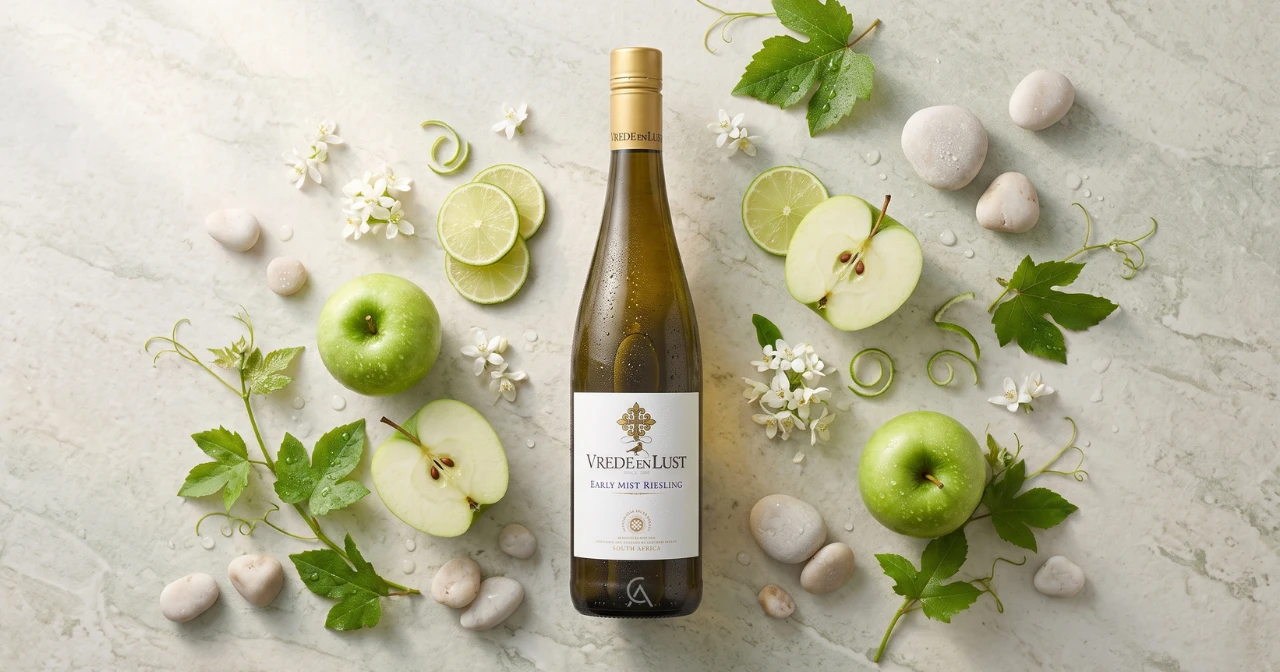 Early Mist takes its name from the fog that regularly settles over the Elgin vineyards, slowing ripening and helping the grapes retain their natural acidity.
The 2025 vintage received national recognition at the 2026 Novare SA Terroir Wine Awards, where it was named a National Winner in the Riesling category.
The award was particularly meaningful because the competition focuses on wines that express the distinctive characteristics of their growing environment.
For Vrede en Lust, Early Mist's success reinforced the importance of Casey's Ridge and the family's decision to expand beyond its original Simonsberg vineyards.
Casey's Ridge Syrah: A Cooler Side of South African Red Wine
Although Elgin is widely admired for its white wines, the Vrede en Lust Casey's Ridge Syrah 2020 demonstrates that the region can also produce accomplished reds.
Syrah is particularly interesting in this environment because cooler conditions encourage a different expression of the variety, with greater emphasis on freshness, peppery spice, and savory complexity.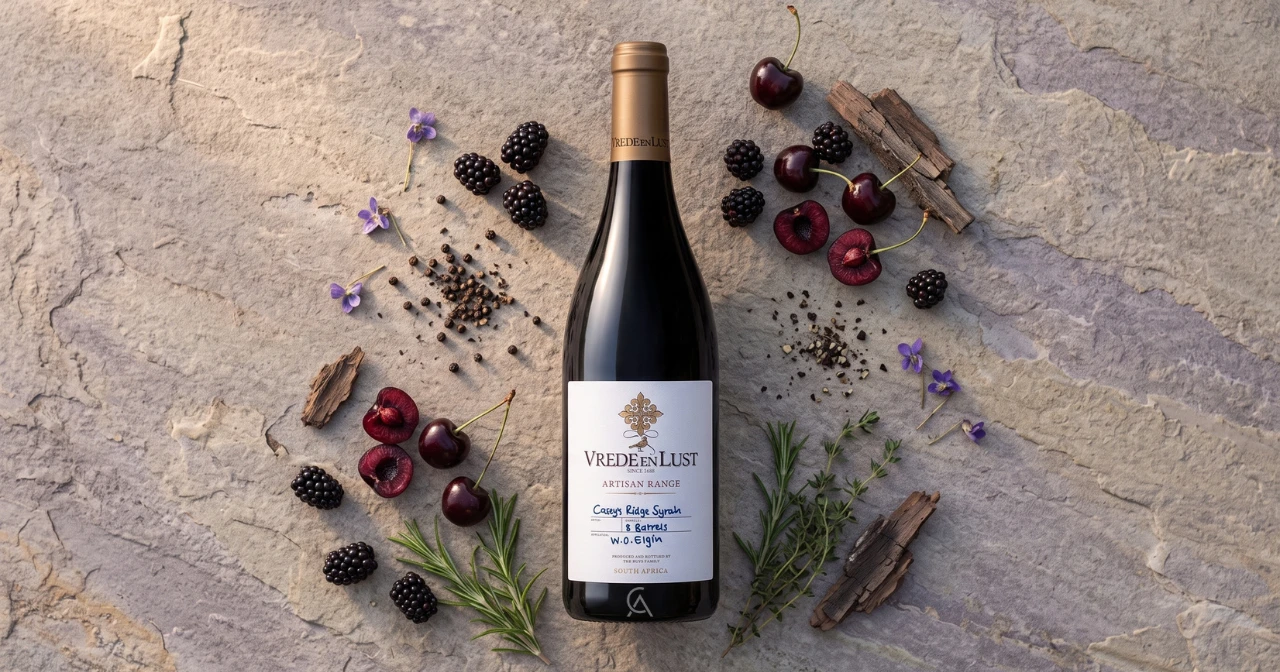 Where warmer South African regions often produce Syrah with generous dark fruit and considerable concentration, Elgin can offer a more restrained interpretation, allowing the variety's aromatic character to emerge alongside fine tannins and balanced acidity.
The 2020 Casey's Ridge Syrah received 92 points from Tim Atkin MW, confirming its standing as one of the estate's noteworthy cool-climate reds.
Tasted alongside Boet Erasmus, it provides an excellent illustration of the differences between the two growing regions, even though both wines are produced under the same estate philosophy.
Kogelberg Chenin Blanc and the Estate's More Approachable Wines
Another important expression of Elgin is the Vrede en Lust Kogelberg Chenin Blanc 2024.
Chenin Blanc has become one of South Africa's most internationally admired varieties, although its reputation has traditionally been associated with warmer regions such as Stellenbosch and the Swartland.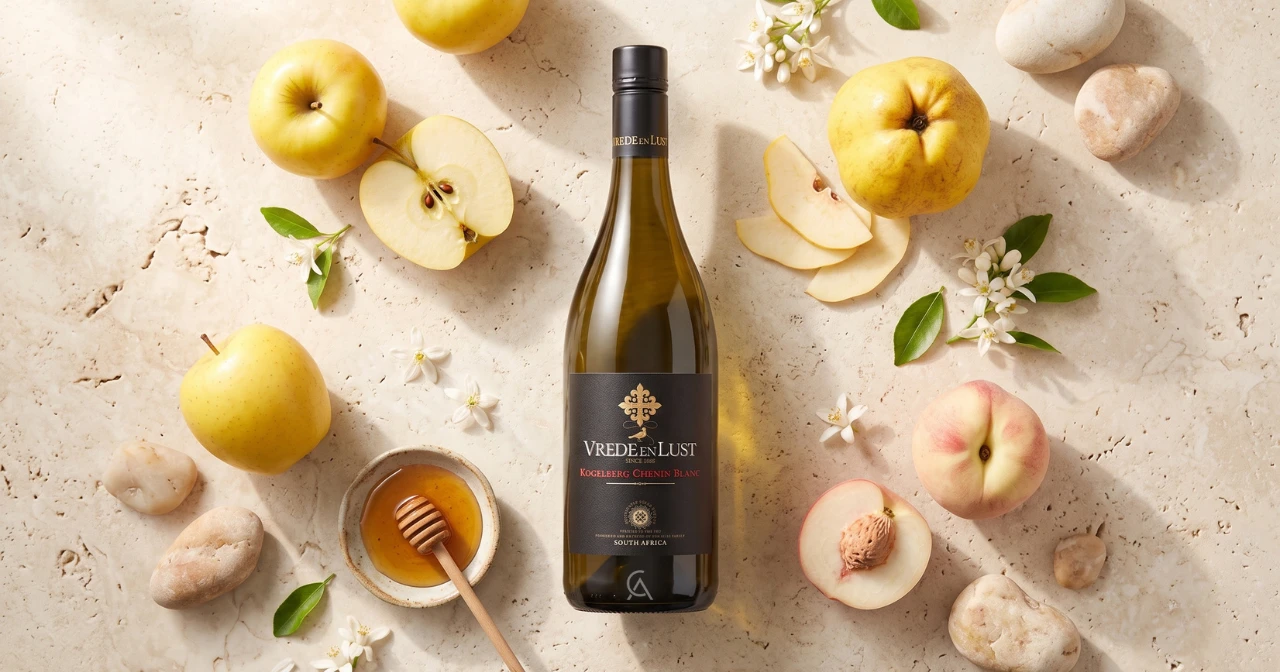
At Casey's Ridge, cooler growing conditions allow the variety to develop gradually, retaining freshness while building the texture and complexity that make carefully produced Chenin so appealing.
The 2024 Kogelberg was named an Elgin area winner at the 2025 SA Terroir Wine Awards, further recognition of the estate's ability to produce distinctive wines from its cooler vineyards.
For more relaxed occasions, the Anni Sauvignon Blanc 2025 and Jess Rosé 2025 offer accessible introductions to Vrede en Lust.
Anni captures the aromatic freshness associated with Elgin Sauvignon Blanc, while Jess Rosé, named after a member of the Buys family, brings a lighter expression of the estate's Paarl fruit.
Together, these wines illustrate the breadth of the portfolio, where approachable everyday bottles sit comfortably alongside more ambitious releases.
Milestones in a Growing South African Wine Reputation
Vrede en Lust's recent awards are especially noteworthy because recognition has come from both of its vineyard regions and across several different varieties.
Barrique 2022's joint White Wine of the Year award at the 2025 National Wine Challenge was a significant achievement for the estate's Elgin program, demonstrating the quality of its Sémillon-based blends.
The following year brought further recognition at the Novare SA Terroir Wine Awards, where Early Mist Riesling 2025 and Ella Grenache 2023 were both named National Winners.
The contrast between the two wines could hardly be more appropriate. Early Mist reflects the cool, mist-influenced vineyards of Elgin, while Ella Grenache comes from the warmer slopes of Simonsberg-Paarl.
Their success in the same competition provided a particularly convincing demonstration of the estate's dual-terroir philosophy.
International critics have also recognized individual wines, with Tim Atkin MW awarding 93 points to Barrique 2022 and 92 points to Casey's Ridge Syrah 2020.
While awards and ratings are only one way of judging wine, the consistency of recognition across several varieties and styles suggests a producer that understands its vineyards and has developed the experience needed to make the most of them.
For the Buys family, the achievements represent another chapter in a story that began with an unexpected property purchase nearly thirty years ago.
A South African Wine Estate with More Than One Story to Tell
The appeal of Vrede en Lust lies partly in its extraordinary history, although the wines being produced today offer an equally compelling reason to pay attention.
Few estates can trace their origins to the arrival of the Huguenots in the seventeenth century while also presenting such a varied contemporary portfolio. The Buys family's restoration of the historic property, their investment in Elgin, and their support of a new generation of winemaking have given the estate an identity that respects its past while continuing to develop.
The contrast between its two vineyard regions is particularly rewarding for wine lovers. A bottle of Boet Erasmus captures the depth and structure of Simonsberg-Paarl, while Barrique, Early Mist Riesling, and Casey's Ridge Syrah reveal how differently the Cape's wines can express themselves under cooler conditions.
At Cape Ardor, we are proud to share these wines with American collectors and enthusiasts, particularly because they offer such an engaging introduction to the diversity of South African wine.
There is also something fitting about the fact that Vrede en Lust's modern success began with a man who simply wanted a quiet farm in the countryside. Dana Buys found considerably more than he had expected, and the family's work since then has helped bring new attention to an estate whose history was already remarkable.
More than three centuries after Jacques de Savoye established his farm beneath the Simonsberg, Vrede en Lust continues to produce wines worth discovering, with two very different regions contributing to what promises to be an equally interesting future.
Frequently Asked Questions About Vrede en Lust
These FAQs are designed to complement the winery feature, answer common search questions, and introduce readers to the wines available through Cape Ardor without repeating too much of the article.
Where is Vrede en Lust winery located?
Vrede en Lust is a historic South African wine estate situated on the eastern slopes of the Simonsberg mountain, between Paarl and Franschhoek in the Western Cape. The winery also owns Casey's Ridge vineyards in the cooler Elgin Valley, allowing it to produce wines from two distinctly different growing regions.
What does Vrede en Lust mean?
Vrede en Lust is a Dutch name that loosely translates to Peace and Delight. The estate was established in 1688 by Jacques de Savoye, a Huguenot refugee who arrived at the Cape after fleeing religious persecution in Europe.
Who owns Vrede en Lust winery?
Vrede en Lust has been owned by the Buys family since 1996, when Dana Buys acquired the historic estate. His brother Etienne joined the business in 1998, and together they led the restoration of the property, modernization of its winemaking facilities, and expansion into Elgin.
What makes Vrede en Lust wines special?
Vrede en Lust produces wines from two contrasting South African wine regions. Its warmer Simonsberg-Paarl vineyards are particularly suited to structured red wines, while its cooler Elgin vineyards produce fresh, expressive whites and elegant Syrah. This combination allows the winery to explore a wide range of grape varieties and styles while maintaining a strong focus on vineyard character.
What are Vrede en Lust's most famous wines?
The estate is particularly well known for its flagship Boet Erasmus Bordeaux-style red blend, Barrique Sémillon-based white blend, Early Mist Riesling, and Kogelberg Chenin Blanc. The Boet Erasmus 2020 and Barrique 2022 are excellent introductions to the winery's contrasting red and white wine styles.
Who is the winemaker at Vrede en Lust?
Karlin Nel has been the winemaker at Vrede en Lust since October 2017. A Stellenbosch University graduate, she gained international winemaking experience in Italy's Piedmont region and Burgundy in France before returning to South Africa. Her work spans both the estate's Simonsberg-Paarl and Elgin vineyards.
Has Vrede en Lust won any major wine awards?
Yes. The Barrique 2022 was named joint White Wine of the Year at the 2025 National Wine Challenge and received 93 points from Tim Atkin MW. Early Mist Riesling 2025 also earned national recognition at the 2026 SA Terroir Wine Awards, demonstrating the quality of the estate's Elgin vineyards.
Where can I buy Vrede en Lust wines in the United States?
American wine lovers can explore a selection of Vrede en Lust wines through Cape Ardor, including Boet Erasmus, Barrique, Early Mist Riesling, Casey's Ridge Syrah, and other wines from the estate. Availability may vary by vintage.